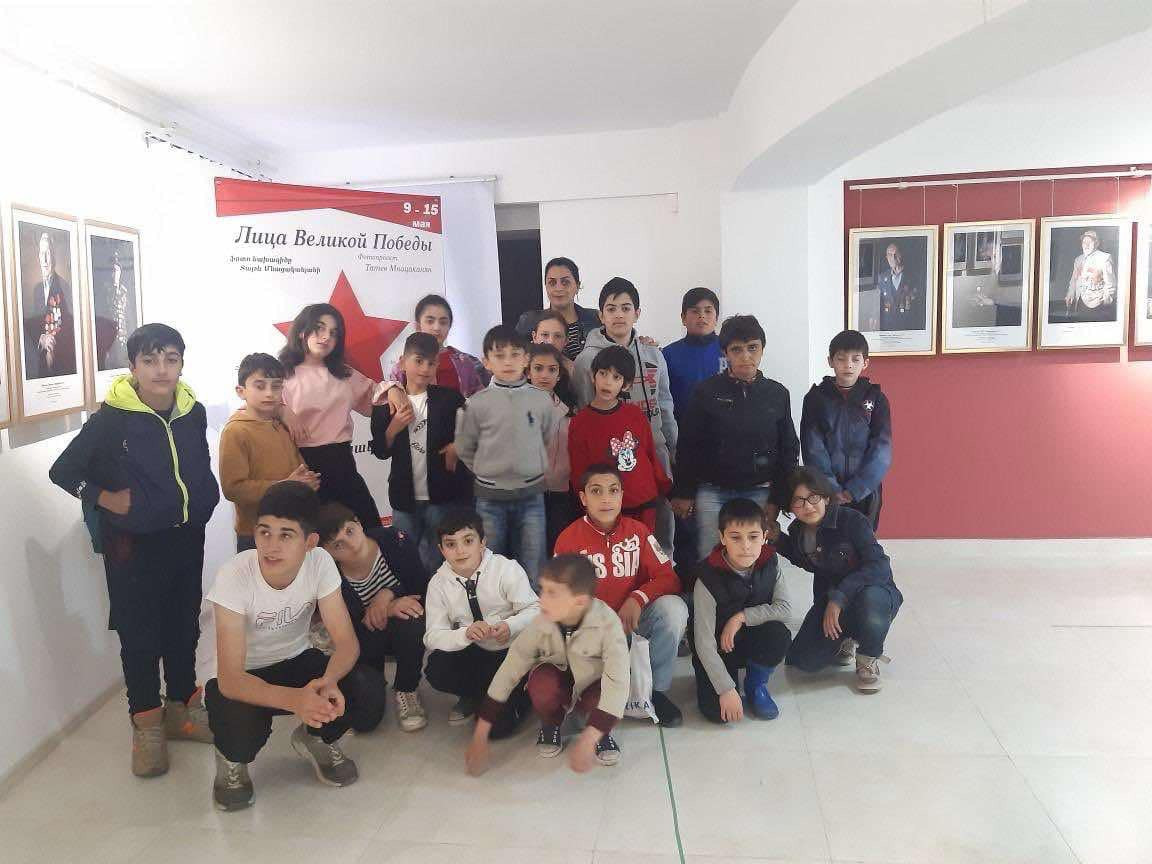
Anahit Petrosyan is an expert in inclusive education, renowned for her transformative work in improving social and educational services in Gyumri. With over a decade of experience, she has led initiatives to enhance the quality of education, particularly for disadvantaged children and those with disabilities. Petrosyan has spearheaded various projects ranging from monitoring inclusive education systems in preschools to implementing arts-based programs that foster healing and socialization among rural children with disadvantages etc. Recognized for her exceptional contributions and collaboration with leading NGOs to advocate and promote the educational rights of disadvantaged children, she earned a prestigious reputation within the educational community.
Inclusive education is an educational approach that eliminates all forms of discrimination against children, ensures equal treatment for all individuals, and creates unique conditions within the educational system to meet the needs of those requiring special educational support. It is a developmental process within general education that aims to make education accessible to everyone, providing the necessary resources to address the diverse needs of children. This approach serves as a gateway for children with disabilities to enter mainstream schools.
Inclusive education strives for a more flexible approach to teaching, catering to the varied educational needs of individuals. If the changes introduced through inclusive education make learning more effective, all children benefit—not just those with special educational needs.
However, there is no universal template for inclusive education that can be applied without modification to every society. Each community must develop and implement its own ideas. That said, there are fundamental principles that should be considered in any context:
- Children attend local kindergartens and schools near their place of residence.
- Teaching methods are designed to support the learning of all children.
- All children participate in extracurricular activities, such as competitions, evening events, and excursions.
- Teachers, parents, and all stakeholders contribute to the development of inclusive education.
- Inclusive education helps prevent discrimination against children, supporting both those with and without disabilities in becoming full members of society.
Key Points to Remember
- All efforts toward implementing inclusive education are based on the principle of equality. If actions are driven by pity or charity, the desired outcomes will not be achieved.
- All children can learn. Appropriate conditions must be provided for their education.
- Many educational institutions already work effectively for the benefit of children with disabilities. If inclusive education methodologies are integrated into the entire educational system, every child will find their place within it, allowing them to combine schooling with family life.
Why is Inclusion Necessary?
Regardless of disabilities or learning difficulties, children play specific roles in society after completing school. Early integration into mainstream educational settings, starting from preschool and continuing through secondary school and college, provides the best preparation for an integrated life.
Children with disabilities have the same right to belong to a group as their peers. Segregated education limits their opportunities for self-expression and growth.
What Does Inclusive Education Achieve?
Inclusive education promotes equal opportunities for all members of society, establishing new relationships and creative possibilities that were previously unattainable. It is a human right that ensures quality education and is socially grounded.
There is no legal basis for separating children in schools. Learning together benefits everyone. Children should not be shielded from one another. All children deserve an education that helps them build relationships and prepare for life. Only an inclusive approach can reduce fear and foster friendship, respect, and mutual understanding.
Inclusive Education in Armenia
With the understanding of the need for systematic professional support for children requiring special educational conditions, the "Bridge of Hope" NGO, in collaboration with the Ministry of Education and Science of the Republic of Armenia, launched the first inclusive education program in Armenia in 2001. Today, the experience of "Bridge of Hope" serves as the foundation for the development of inclusive education policies in the country.
On September 1, 2005, the Law on Education for Persons with Special Educational Needs came into force, officially recognizing and enshrining inclusive education in Armenia. However, general education was regulated by two separate laws, and inclusion was not addressed at the legislative level. This led to the need for unifying the laws.
On December 1, 2014, amendments were made to the Law on General Education, and the Law on Education for Persons with Special Educational Needs was repealed. These changes declared inclusive education as the right of every child in Armenia. By 2025, all general education schools in the country will operate under an inclusive framework.
The new amendments introduce a three-tier system to support inclusive education, incorporating pedagogical-psychological support services at the school, regional, and national levels. Additionally, a child’s individual learning plan is now recognized as a legal document, based on state educational standards, curricula, and the child’s specific educational needs.
Conclusion
Inclusive education is not just a policy—it is a commitment to equality, opportunity, and the full integration of every child into society. Armenia’s progress in this field reflects a growing recognition of the importance of creating an educational system where no child is left behind. Through continued efforts, the nation moves closer to a future where every child, regardless of ability, can thrive and contribute to society.
By Anahit Petrosyan

-thumbnail.jpg)
-thumbnail.jpg)





-thumbnail.jpg)